
Nearly Zero Energy Buildings (NZEB) are the mandatory building standard in Ireland for new homes and major renovations. The NZEB standard ensures that buildings consume very low amounts of energy, with the remaining demand largely supplied by renewable sources.
This energy-efficient approach plays a critical role in reducing carbon emissions, lowering long-term operating costs, and helping Ireland meet European climate targets.
If you are a homeowner, developer, self-builder, architect, or property investor, understanding NZEB requirements in Ireland is essential. In this guide, we explain:
• What NZEB means
• Current Irish NZEB regulations
• Key technical requirements
• Benefits for property owners
• How a BER / NZEB assessor helps you comply

What is a Nearly Zero Energy Building?
A Nearly Zero Energy Building is a building with:
- Very high energy performance
- Extremely low primary energy consumption
- A significant portion of energy supplied by renewable sources
In Ireland, NZEB requirements are defined under Part L of the Building Regulations, introduced in line with the EU Energy Performance of Buildings Directive (EPBD).
NZEB buildings achieve high performance through:
- Advanced insulation
- Excellent airtightness
- High-efficiency heating systems
- Mechanical ventilation with heat recovery (MVHR)
- Renewable technologies such as solar PV or heat pumps
The goal is simple: reduce reliance on fossil fuels while maintaining comfort and indoor air quality.
Is NZEB Mandatory in Ireland?
Yes NZEB has been mandatory in Ireland since
- 31 December 2018 – For new public buildings
- 31 December 2020 – For all new residential and commercial buildings
This means all new dwellings built today must meet NZEB standards to obtain compliance certification.
Major renovations must also upgrade energy performance to cost-optimal levels under Part L regulations.
These requirements support Ireland’s transition to a low-carbon economy and align with EU climate targets.
This initiative supports Ireland’s transition to a low-carbon, energy-efficient economy and helps meet the EU’s targets for a greener future environment contributes to the EU’s sustainability objectives, promoting a greener, energy-efficient future.
NZEB vs Traditional Construction-What’s the Difference?
You might be wondering how these energy-efficient buildings differ from traditional construction. The key differences lie in energy performance, insulation, and the use of renewable energy.
1 Energy Performance
Traditional buildings often depend heavily on oil or gas boilers with higher energy consumption and carbon emissions.
Nearly Zero Energy buildings:
- Use significantly less primary energy
- Incorporate renewable systems
- Achieve lower BER ratings (typically A2 or better for new homes)
2. Insulation & Airtightness
Older buildings:
- Poor insulation
- Air leakage
- High heating bills
Nearly Zero Energy buildings
- High-performance wall, roof, and floor insulation
- Airtight construction
- Reduced heat loss
- Lower energy demand
3. Heating & Ventilation Systems
Traditional buildings:
- Basic heating systems
- Natural ventilation
- Energy waste
NZEB buildings:
Improved indoor air quality
Air-to-water or ground-source heat pumps
Smart heating controls
Mechanical Ventilation with Heat Recovery (MVHR)
NZEB Requirements in Ireland
To meet Nearly Zero Energy Building compliance, buildings must satisfy specific technical criteria under Part L:
1. High-Performance Insulation
- Low U-values for walls, roof, floors, and windows
- Thermal bridge minimisation
- Reduced heat transfer
This reduces heating demand and improves comfort.
2. Airtightness
- Air permeability testing required
- Sealed construction to prevent uncontrolled heat loss
- Compliance typically requires ≤ 5 m³/hr/m² (or better)
Good airtightness significantly reduces energy waste.
3. Renewable Energy Contribution
New homes must include a minimum level of renewable energy, such as:
- Solar photovoltaic (PV) panels
- Solar thermal systems
- Heat pumps
- Biomass systems (less common in new builds)
This ensures a percentage of energy demand is met through renewables.
4. Efficient Heating Systems
Most Nearly Zero Energy Building homes in Ireland now use:
- Air-to-water heat pumps
- Underfloor heating
- Zoned heating controls
Oil boilers are no longer compliant for new dwellings.
5. Mechanical Ventilation with Heat Recovery (MVHR)
MVHR systems:
- Supply fresh filtered air
- Recover heat from exhaust air
- Improve air quality
- Reduce heating demand
This is particularly important in airtight buildings.
Benefits of NZEB for Homeowners and Investors
Lower Energy Bills
Reduced energy consumption means long-term savings. Although initial construction costs may be slightly higher, lifecycle costs are significantly lower.
Higher Property Value
A-rated homes:
- Sell faster
- Command higher prices
- Attract energy-conscious buyers
Energy efficiency is now a major purchasing factor in Ireland’s property market.
Future-Proof Investment
With tightening climate regulations, NZE -compliant properties are protected against future legislative changes and carbon taxes.
Environmental Impact
Nearly Zero Energy Buildings
Support Ireland’s national climate action plan
Reduce greenhouse gas emissions
Decrease fossil fuel dependency
Common Misconceptions About NZEB
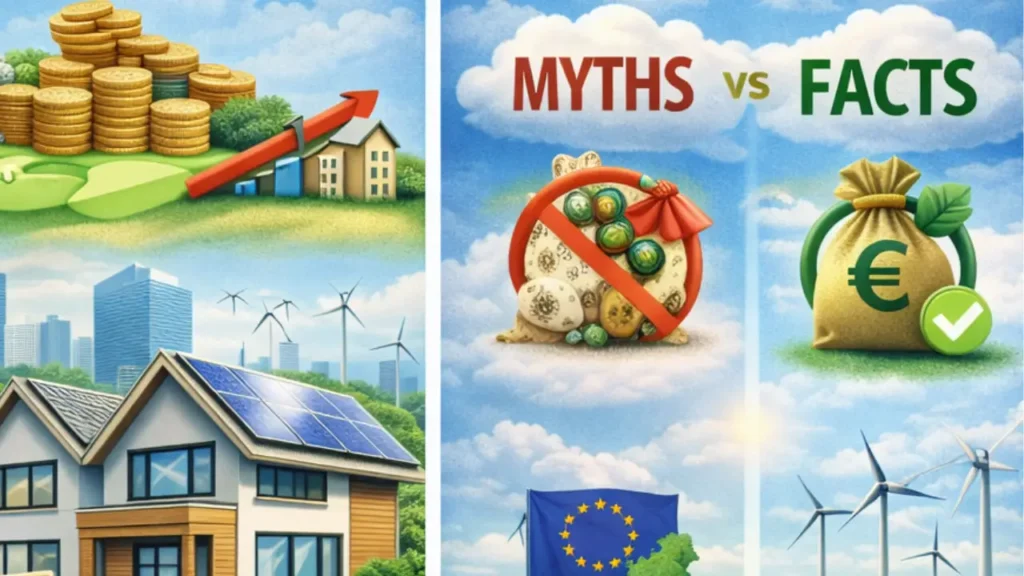
Several myths about energy-efficient buildings need to be cleared up
- Myth 1: NZEB Homes Are Too Expensive
- While upfront costs may increase by 2–8%, operational savings and SEAI grants significantly offset this over time.
- Myth 2: NZEB Means “Off-Grid”
- NZEB does not mean zero energy or fully self-sufficient. It means very low energy demand with renewable contribution — buildings still connect to the national grid.
- Myth 3: NZEB Is Only About Solar Panels
- Solar PV is common, but insulation, airtightness, heat pumps, and ventilation design are equally important.
How a BES Assessor Helps with NZEB Compliance
A certified Building Energy Rating (BER) Assessor plays a critical role in NZEB compliance.
1. DEAP Energy Calculations
Assessors use the DEAP software to:
- Model energy performance
- Calculate primary energy use
- Confirm renewable contribution
- Ensure Part L compliance
2. Design Stage Advice
Early-stage involvement helps:
- Avoid costly redesigns
- Select appropriate heating systems
- Optimise insulation levels
3. Compliance Documentation
Your assessor provides:
- BER Certificate
- Part L compliance report
- Renewable energy calculations
These documents are required for completion and handover.
4. Ongoing Project Support
From planning to final certification, a qualified assessor ensures your project remains compliant and cost-efficient.
Conclusion
NZEB is not just a regulatory requirement it represents the future of sustainable construction in Ireland.
Whether you are building a new home or planning a major renovation, meeting Nearly Zero Energy Building standards ensures:
Long-term sustainability
Lower energy bills
Higher property value
Legal compliance
Reduced carbon footprint
Need help with your NZEB assessment or compliance?
If you are planning a new build or renovation and need expert guidance on:
- NZEB compliance
- BER certification
- Part L calculations
- Renewable energy requirements
Contact BES Consultants today at besconsultants.ie to schedule your consultation.