
A Building Energy Rating evaluates the energy efficiency of residential and commercial buildings in Ireland. Most homes typically fall into the C category.
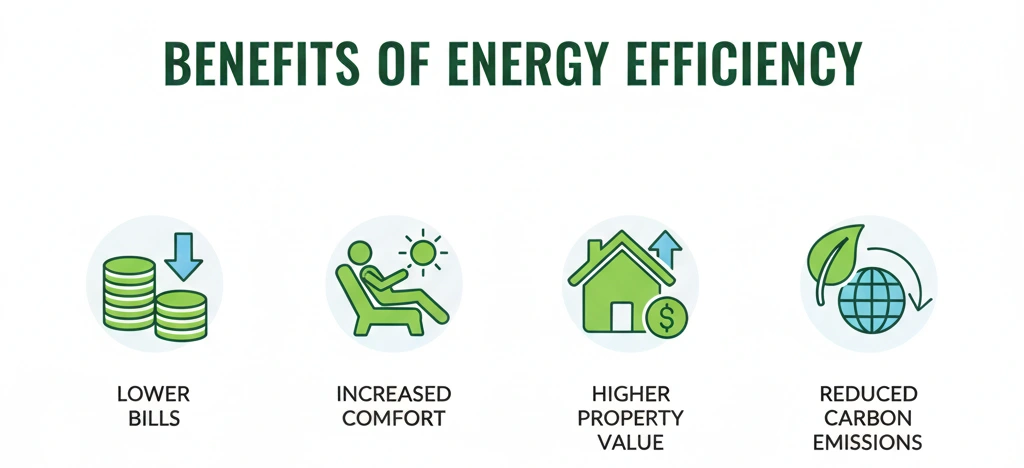
The higher your BER, the more you can save on energy bills, the less CO2 is emitted, and the greater the potential value of your property. Even a small difference in BER can significantly impact your heating costs and carbon emissions.
The BER is a useful indicator to show how much improvement a building needs in terms of energy efficiency. Moreover, having a BER certificate is a legal requirement for any property that is being rented or sold.
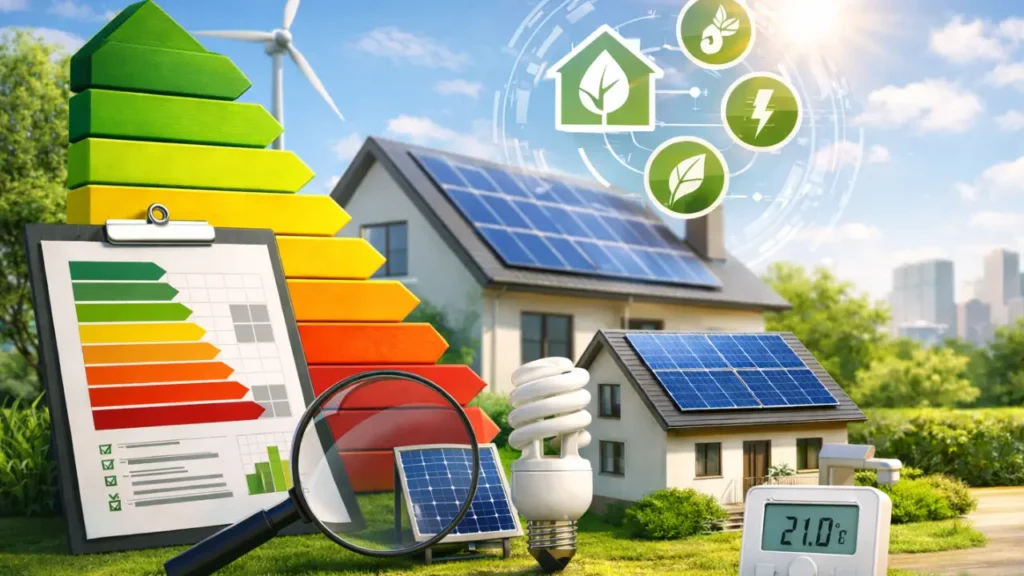
This complete guide explains what a BER rating is, how it’s calculated, why it matters in Ireland, how to improve it, and how you can use your BER to increase comfort, reduce running costs, and add value to your home.
Table of Contents
What Is a Building Energy Rating (BER)?
A Building Energy Rating (BER) measures the energy efficiency of a property in Ireland. It rates a building on a scale from A1 (most energy efficient) to G (least energy efficient), similar to the energy labels found on household appliances.
A higher BER rating means:
- Lower energy consumption
- Reduced heating and electricity costs
- Improved indoor comfort
- Lower carbon emissions
Importantly, a BER does not measure how much energy occupants actually use. Instead, it assesses the calculated energy performance of the building itself, using standard assumptions. This allows for fair and consistent comparison between properties.
How Is a BER Rating Calculated?
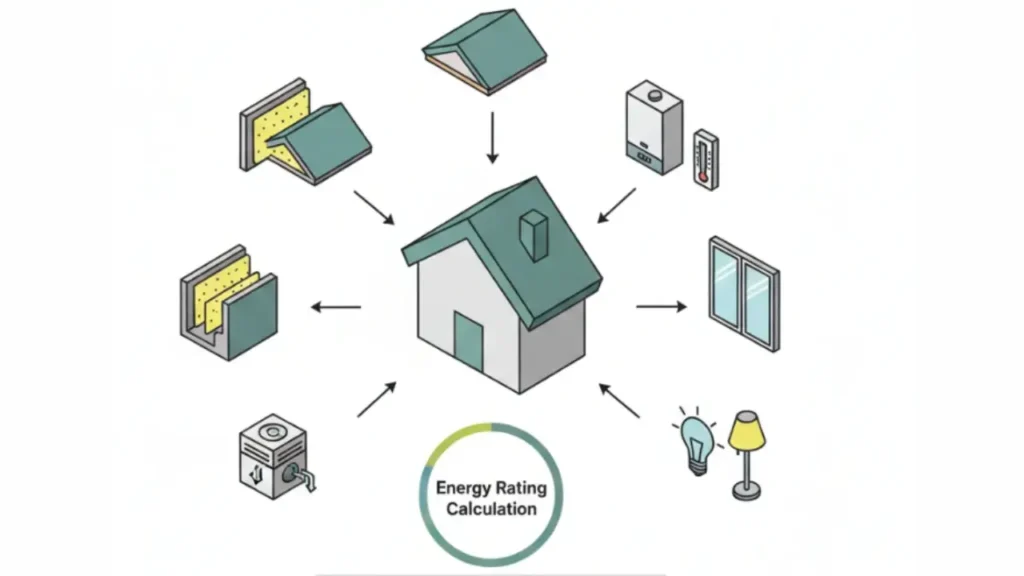
A BER rating is calculated by a SEAI-registered BER assessor who surveys your property and inputs the data into approved BER software.
The calculation estimates annual energy use for
- Space heating
- Hot water
- Fixed lighting
- Ventilation
The assessment considers the building’s structure and systems, not occupant behaviour or plug-in appliances such as fridges or washing machines.
Key Factors That Affect a BER Rating
- Roof, wall, and floor insulation levels
- Heating system type and efficiency
- Heating controls and zoning
- Window and door glazing and airtightness
- Ventilation systems
- Size, layout, and orientation of the building
BER Rating Scale Explained (A1 to G)
The Building Energy Rating scale runs from A1 (best) to G (worst). Each rating reflects expected energy use and typical characteristics.
| BER Rating | Efficiency Level | Annual Energy Use (kWh/m2/yr) |
| A1 – A3 | Very Efficient | ≤75 |
| B1 – B3 | Moderately Efficient | ≤150 |
| C1 – C3 | Average Performance | ≤225 |
| D1–D2 | Below Average | ≤300 |
| E1 – E2 | Poor | ≤380 |
| F | Very Poor | ≤450 |
| G | Worst | >450 |
Why Is a BER Rating Important in Ireland?
1. Legal Requirement
In Ireland, a valid BER certificate is required when selling or renting a property. New homes must have a BER before first occupation. These regulations are enforced by the Sustainable Energy Authority of Ireland (SEAI).
2. Lower Energy Bills
Homes with better BER ratings lose less heat and use energy more efficiently, resulting in lower heating and electricity costs.
3. Higher Property Value
Energy-efficient homes are more attractive to buyers and tenants. A strong BER rating can:
- Increase property value
- Reduce time on the market
- Improve rental appeal
4. Reduced Carbon Emissions
Improving your BER helps reduce fossil fuel use, supporting Ireland’s climate targets and lowering your carbon footprint.
5. Lower Mortgage Rates with Green Mortgages
Banks typically offer discounted interest rates on mortgages for homes with a BER rating of B3 or better, as these properties are more energy efficient, cheaper to run, and considered lower risk over the long term.
How a BER Assessment Works?
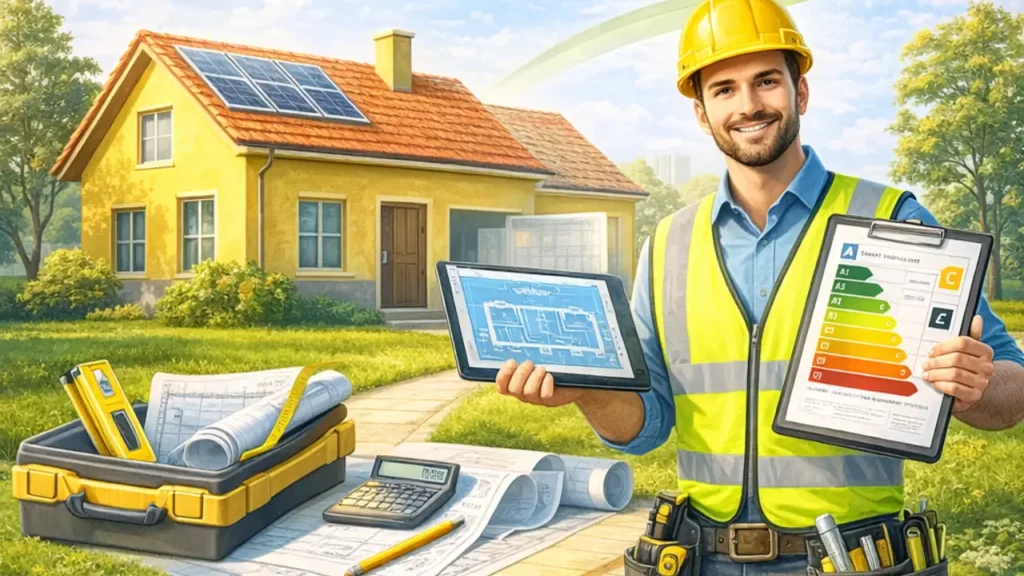
When a BER assessor visits your property, they will:
- Measure floor area and layout
- Inspect insulation in walls, roof, and floors
- Examine heating and hot water systems
- Review heating controls
- Record window, door, and ventilation details
- Assess fixed lighting
All data is entered into SEAI-approved software. After completion, you receive:
- A BER Certificate
- A BER Advisory Report outlining recommended improvements
How to Improve Your BER Rating?
Improving your Building Energy Rating is one of the most effective ways to lower your annual energy costs and reduce the carbon emissions of your home. Making a range of energy-efficiency improvements can greatly enhance your property’s overall performance, helping to create a warmer, more comfortable, and more cost-efficient living environment. A home with a better BER rating not only uses less energy, but can also contribute to improved health and wellbeing by providing more consistent indoor comfort throughout the year
1. Improve Insulation
Upgrading attic, wall, or floor insulation significantly reduces heat loss and improves comfort.
2. Install an Efficient Heating System
Replacing old boilers with high-efficiency boilers or heat pumps can dramatically improve your BER.
3. Install Smart Heating Controls
Zoned heating, programmable thermostats, and smart controls reduce wasted energy.
4. Upgrade Windows and Doors
Double or triple glazing, along with proper sealing, reduces drafts and heat loss.
5. Switch to LED Lighting
Energy-efficient LED lighting lowers your calculated lighting energy demand.
Many of these upgrades may qualify for SEAI grants, making improvements more affordable.
Common Misconceptions About BER
“A BER shows my actual energy usage.”
- BER only measures electricity consumption, while in reality it evaluates the overall energy performance of a building including heating, cooling, ventilation, lighting, and hot water systems.
- A high BER automatically means low energy bills, but actual energy costs also depend on occupants’ behavior and energy usage patterns.
- Older buildings cannot achieve good BER ratings, even though renovations like insulation, efficient windows, and modern heating systems can significantly improve their rating.
- BER is only important when selling a property, whereas it is also useful for renting, renovation planning, and improving energy efficiency.
- BER shows the exact energy consumption of a building, but it actually represents estimated or theoretical energy performance based on standard assumptions.
- A high BER means the building is completely environmentally sustainable, even though the rating mainly focuses on energy efficiency and not other sustainability factors.
- Once a building receives a BER, the rating never changes, while in reality it can change after renovations, system upgrades, or reassessments.
Frequently Asked Questions About BER
How long is a BER certificate valid in Ireland?
A BER certificate is valid for 10 years, provided no major energy-related changes are made to the property.
Can I check a BER rating online?
Yes. Existing valid BER certificates can be searched on the SEAI National BER Register.
How Much Does a BER Assessment Cost in Ireland?
The cost of a Building Energy Rating (BER) assessment in Ireland can vary depending on several factors, including property size, type, location, and complexity.
Is the Cost of a BER Worth It?
For most homeowners, the answer is yes.
A BER assessment can:
- Help lower energy bills through targeted improvements
- Increase property value and marketability
- Be legally required when selling or renting
- Support eligibility for SEAI grants
- Enable access to green mortgage rates with lower interest costs
Considering a BER certificate is valid for 10 years, the one-off cost is relatively small compared to the long-term financial benefits.
What is a good BER rating for a house?
For houses BER rating of Grade A or B is considered very good. These homes are energy-efficient, comfortable, and cheaper to run.
Is a C2 BER rating good?
A C2 rating is considered average. While not inefficient, improvements to insulation or heating could significantly reduce energy costs.
Which is better, an A or G BER rating?
An A-rated home is vastly more efficient than a G-rated home. G-rated properties typically require extensive upgrades and have high energy bills.
What does Class A energy mean?
Class A (A1–A3) BER represents the highest level of energy efficiency, with low energy use, modern systems, and minimal environmental impact.
Conclusion
A Building Energy Rating (BER) is more than a legal requirement — it’s a roadmap to a more efficient, comfortable, and cost-effective home.
By understanding and improving your BER, you can:
- Lower energy bills
- Increase indoor comfort
- Boost property value
- Reduce carbon emissions
Read More on SEAI
Have a look at our SERVICES.
Ready to Improve Your BER?
Arrange a BER assessment with a SEAI certified BER assessor in Ireland to understand your current rating and identify cost-effective improvements. Better energy efficiency means better savings, comfort, and sustainability — and now you have the knowledge to make it happen.